It’s processing day

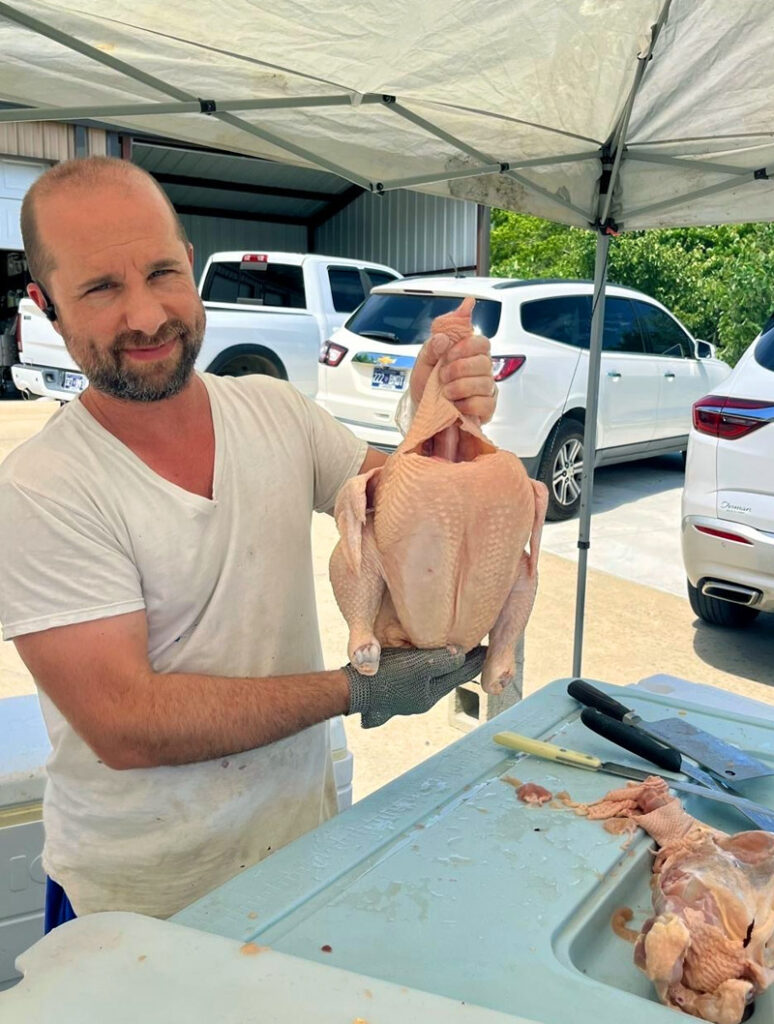
Today we slaughtered the meat birds, and all thirty made it to graduation day. That is a fantastic outcome. Normal mortality is around five percent, so finishing the season without losing a single bird is a real win.

The birds finished out incredibly well this year. Since this batch was only for our family, we did not bother weighing them, but several looked like they would have tipped the scales at nine pounds or more.

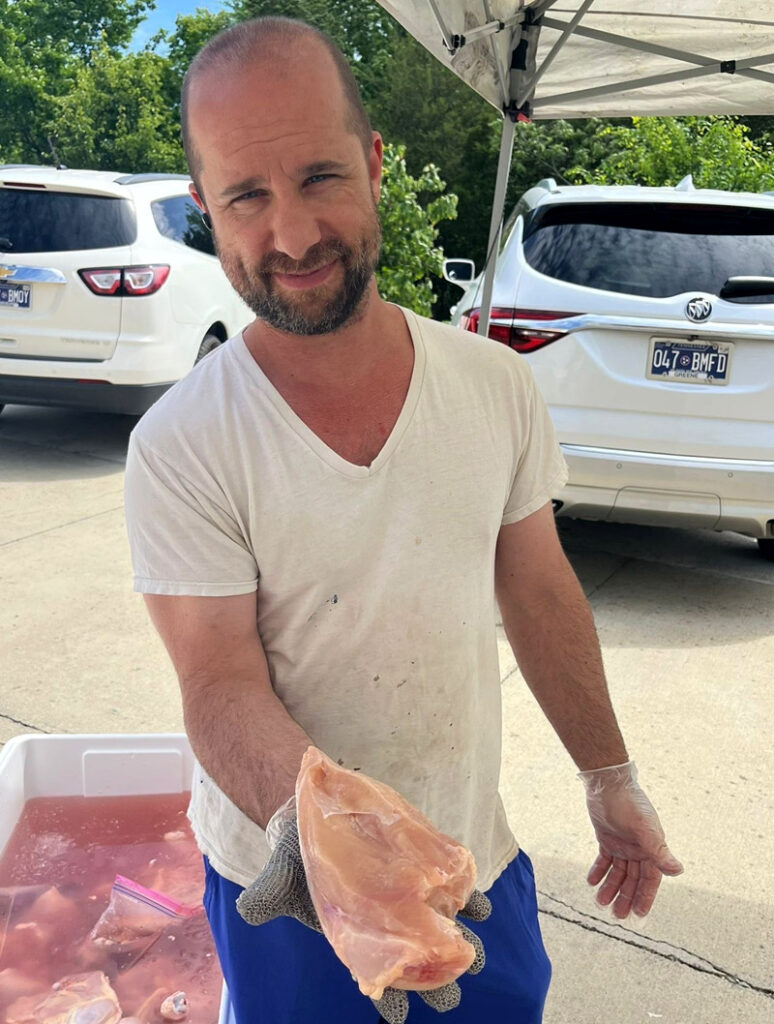
We chose to do cut ups on every bird this time. In the past we have done a mix of whole birds and cut ups, but we consistently use the cut up birds about twice as often as the whole ones. It makes meal planning easier and helps us get the most use out of each harvest.

We are incredibly thankful for another successful season that will feed our family for months to come. The work starts with tiny chicks on pasture and ends with a freezer full of food. It is a cycle we do not take lightly and one we are grateful to complete each year.
One week left

We do not follow a strict timeline for processing our meat birds. Each group grows a little differently, and we try to honor that. If they need an extra week or two to fill out properly, we give it to them. The animal’s sacrifice matters, and we want to make sure we are doing right by them by getting the best possible yield from each bird.

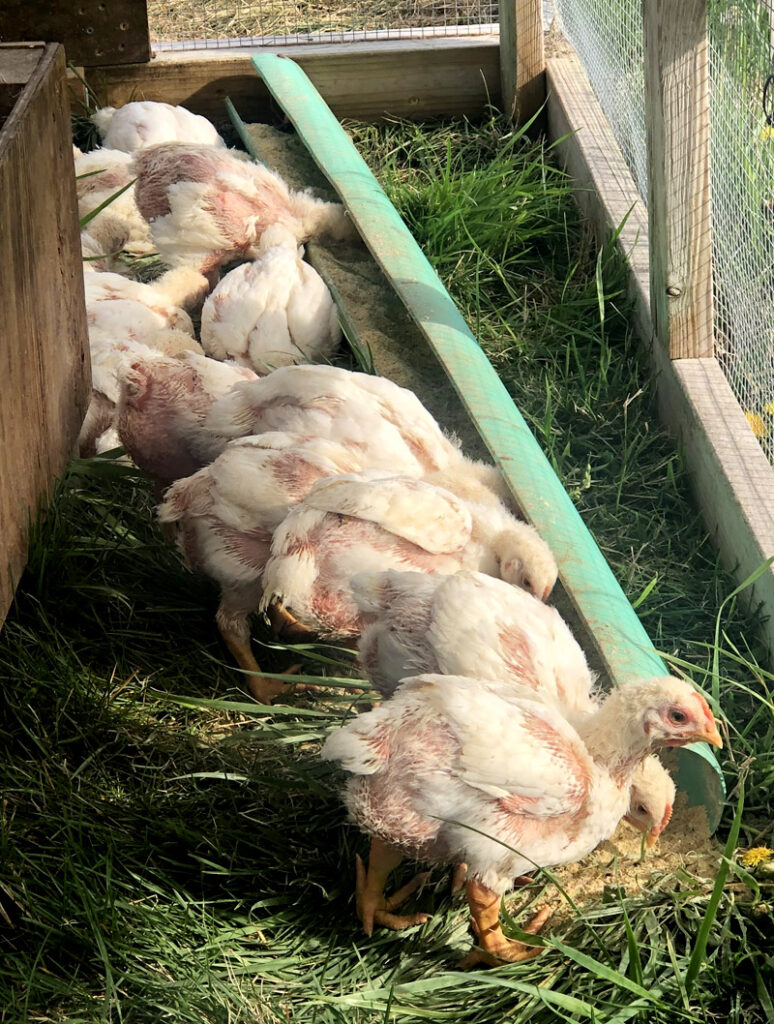
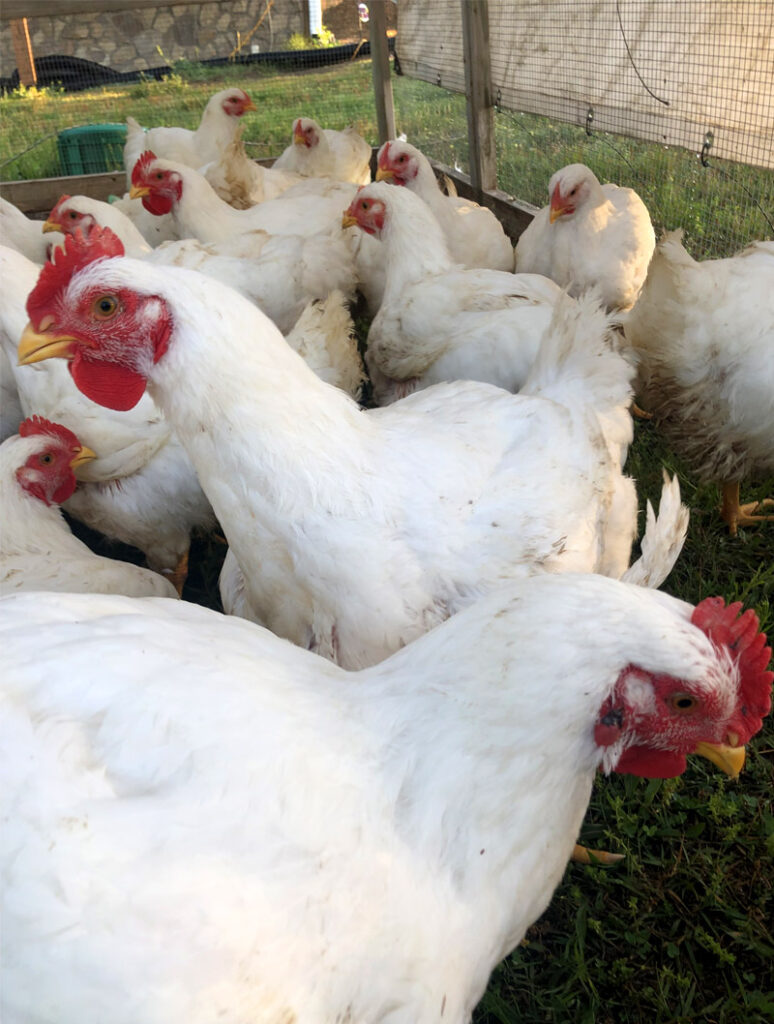
This group has done exceptionally well. They have grown fast, stayed healthy, and handled pasture life with no issues. At this point, they look strong and fully developed, and they will be ready to process next weekend.

It is always a mix of responsibility and gratitude when we reach this stage. The birds have had a good life on pasture, and now we prepare for the final step of the cycle.

The meat birds are doing excellent this year. They’ve grown exceptionally well and will be ready to process next weekend.

Halfway there

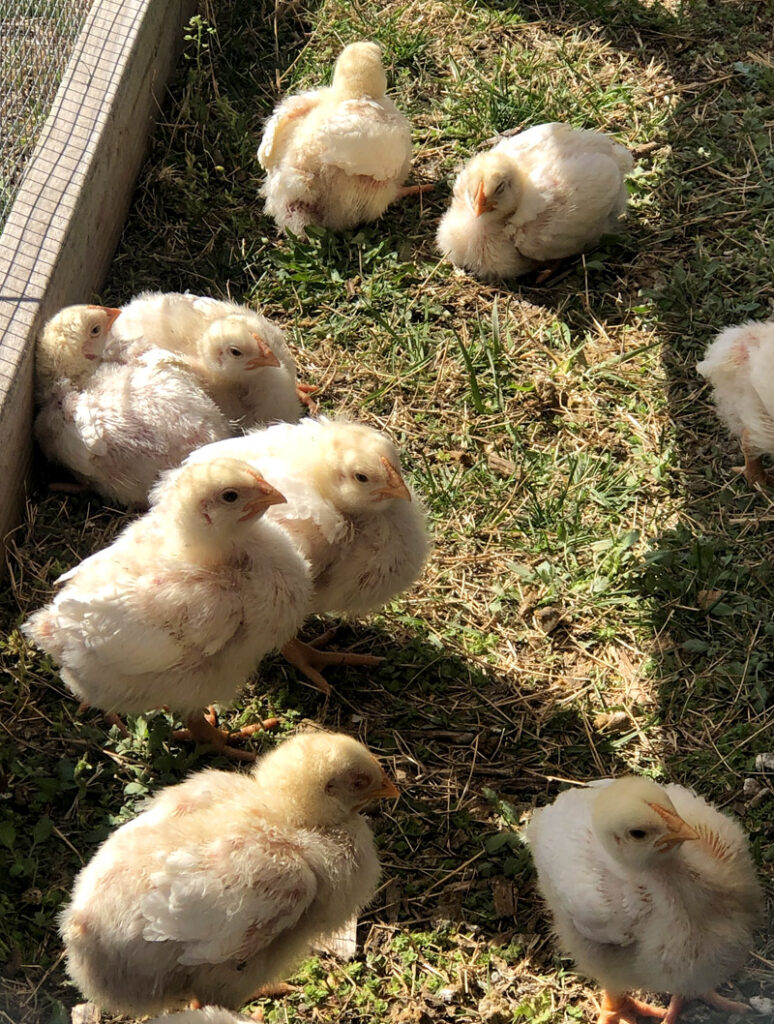
All thirty of the meat birds are doing well and getting noticeably bigger by the day. So far, we have not lost a single one, which always feels like a small victory in itself.

We are now roughly halfway to what we call graduation day for the birds. The routine is steady at this point. Daily moves to fresh grass, full feeders, plenty of water, and check-ins throughout the day. The early fragile stage is behind them, but there is still plenty of growing left to do.

It’s rewarding to see how quickly they change in just a few short weeks. What started as a box of tiny, chirping chicks is now a group of stout birds that are fully settled into pasture life.

We still have work ahead, but crossing the halfway mark feels good. Progress is visible, the system continues to work, and the birds are thriving.

The Chicks Have Arrived

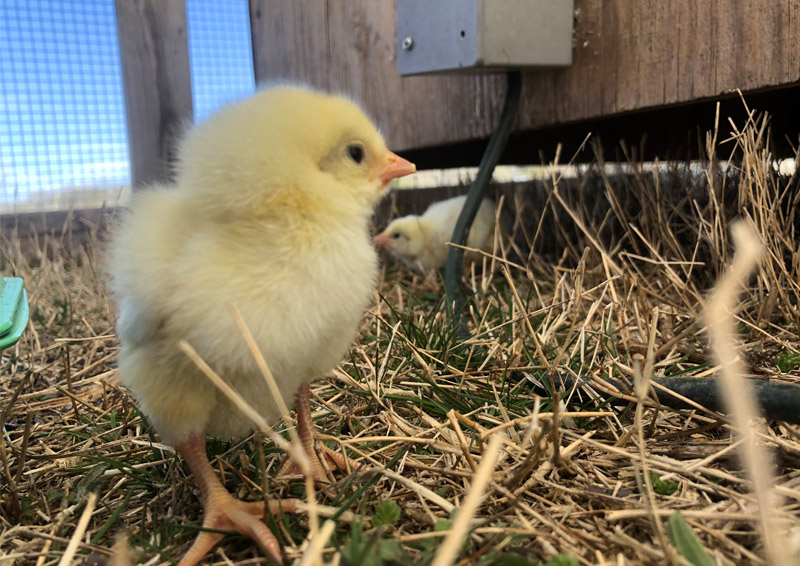
This week our shipment of Cornish Cross chicks arrived, marking the start of another meat bird season here on the farm. It is always a little loud, a little chaotic, and a clear reminder that spring work is officially underway.

We have been purchasing our birds from Schlect Hatchery for several years now. They are a small hatchery, and we have always had consistently good experiences with their birds and their reliability. This shipment arrived healthy, alert, and ready to get to work growing.

Unlike many setups, we brood our birds on pasture from day one. They start their lives outdoors with fresh air under a covered brooder, heat for warmth, and grass underfoot as soon as they are strong enough to explore it. It takes more attention and more daily checks, but we believe it gives them a better start and keeps us more connected to their care from the very beginning.

Over the next several weeks, these small chicks will do what Cornish Cross do best and grow quickly. In just over two months, they will be ready to be processed and will provide meat for our family. The timeline is short and the routine settles in fast.

Right now, they are finding the heat, learning where the feed and water are, and adjusting to their first nights outdoors. In a few weeks they will be rotated regularly across fresh grass as the season fully opens up.

It always starts the same way. A small group of fragile birds becomes one of the most tangible expressions of food security we have here. The work begins again.

Two More Mouths to Feed

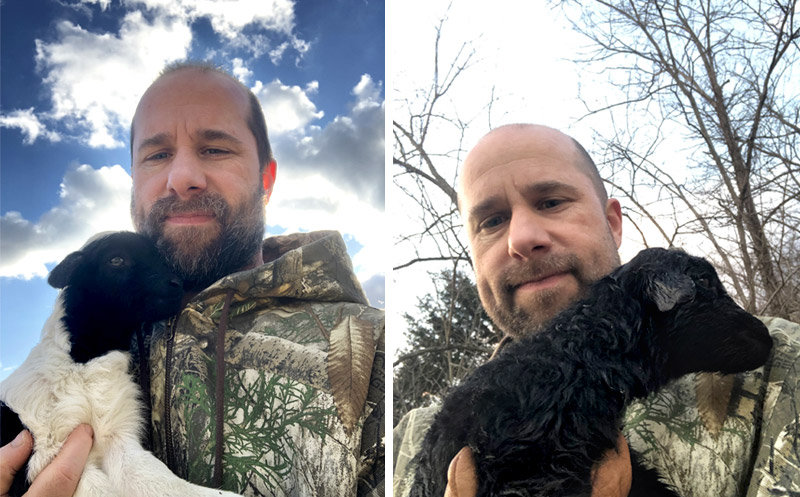
The past week has brought two new additions to the farm. We have had two lambs born just days apart, right in the middle of what is usually the coldest stretch of the season.

Both births went smoothly, and the ewes handled everything with quiet confidence. Each time, we walked out expecting routine chores and came back with that familiar mix of surprise, relief, and gratitude that comes with finding new life on the farm.

It is always striking how steady nature can be. The temperatures may still dip at night, the hills may look bare and quiet, but life continues on its own schedule. The lambs are small, alert, and already keeping close to their mothers as they figure out the world around them.

Moments like this remind us why winter is not just a season of waiting. It is also a season of beginnings. Two small lambs now move through the pasture, quiet evidence that the cycle keeps turning even when the landscape looks still.

Our first snow of the season

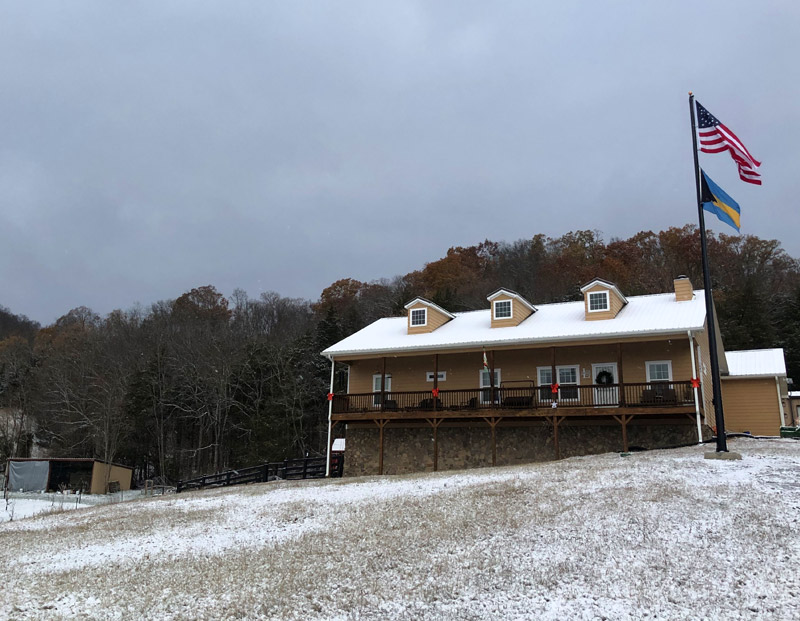
Our first snow of the season arrived this morning and stayed with us for most of the day. It started as light flakes and slowly built into a steady snowfall that softened the pasture, the trees, and everything in between. It was not a heavy storm, just enough snow to change the feel of the land for the first time this year.

Inside, we kept a fire going in the fireplace while the snow came down outside. The contrast was simple and perfect. Cold moving across the hills and warmth settling into the living room. It felt like the season officially turned sometime between adding another log and watching the pasture fade into white.

The animals handled it just fine. The equipment stayed parked under cover. The hills looked quieter by the hour as the snow wrapped everything in a thin blanket.

First snow always feels like a small reset. The pace changes. The work looks a little different. For a few hours today, everything slowed down just enough for us to notice it.

— The Langley Family

The Carport Is Finally Done

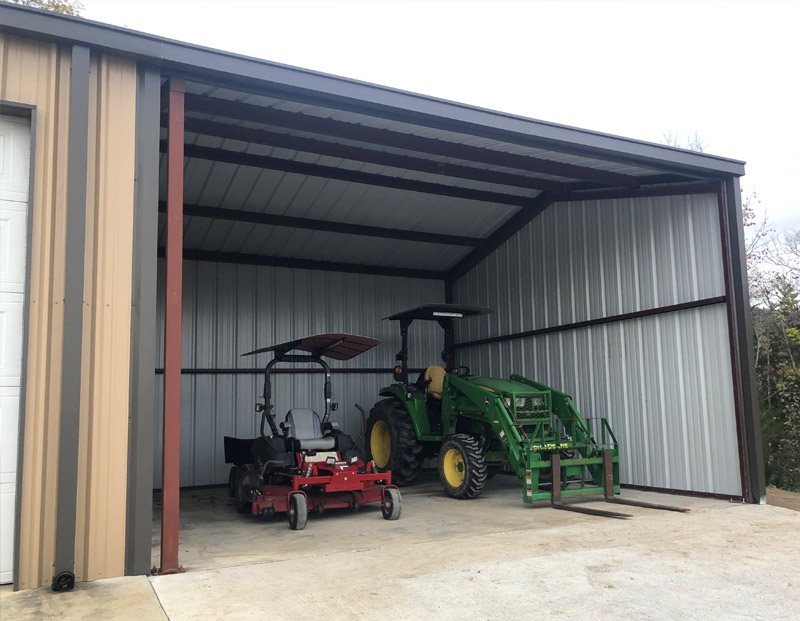
After months of planning, dirt work, delays, concrete, more delays, then finally some steady progress, the carport portion of the shop expansion is finally complete. This project took far longer than we expected, but it feels good to see it standing and in use.

The tractor and mower are now parked under cover instead of sitting out in the weather. That alone makes a big difference. Keeping equipment dry and protected saves wear and tear and makes daily work easier when we are not fighting mud, rain, or ice.

While the carport is finished, the workshop itself still has tons of work ahead of us. The space is there and the foundation is set, but the interior build out will come next as time and budget allow. We still need to wire receptacles and lights, and sheath the interior walls with plywood. For now, having the covered equipment space is a big win.

This project has been a reminder that nothing on this land seems to move fast, but progress still adds up. One section at a time, the infrastructure is taking shape.

A Front Row Seat to Autumn

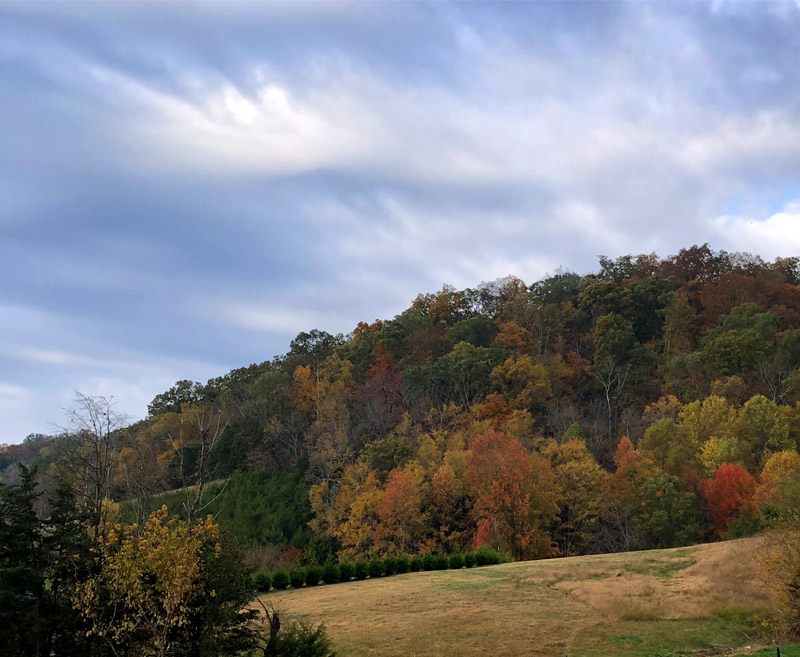
Over the past couple of weeks, the mountains around us have begun to change. What was solid green through summer is now breaking into layers of yellow, orange, and red. Every day looks a little different from the last. Some trees turn quietly, others all at once, as if the hillside decided to paint itself overnight.

From the pasture, the view feels bigger this time of year. The colors stretch across the ridgelines and settle into the valleys in a way that makes it hard not to stop what you are doing and look. Even the simplest chores take longer when the view keeps pulling your attention uphill.

Fall in Tennessee carries a different kind of energy. The air is cooler, the light is softer, and everything feels like it is preparing for what comes next. The land is not asleep yet, but it is starting to slow its pace.

We knew the fall colors would be beautiful when we moved here, but seeing them from our own front yard makes it something else entirely. It feels like another reminder of why this place matters to us and why we chose to build our life on this hillside.

For now, we are just taking it in. One ridge at a time.

Indoor Growing Season Begins

As the outdoor growing season starts to slow down, we decided it was time to bring a little food production back inside. While we are not full into winter yet, the nights are cooler, the garden is winding down, and fresh greens will soon be harder to come by outdoors.

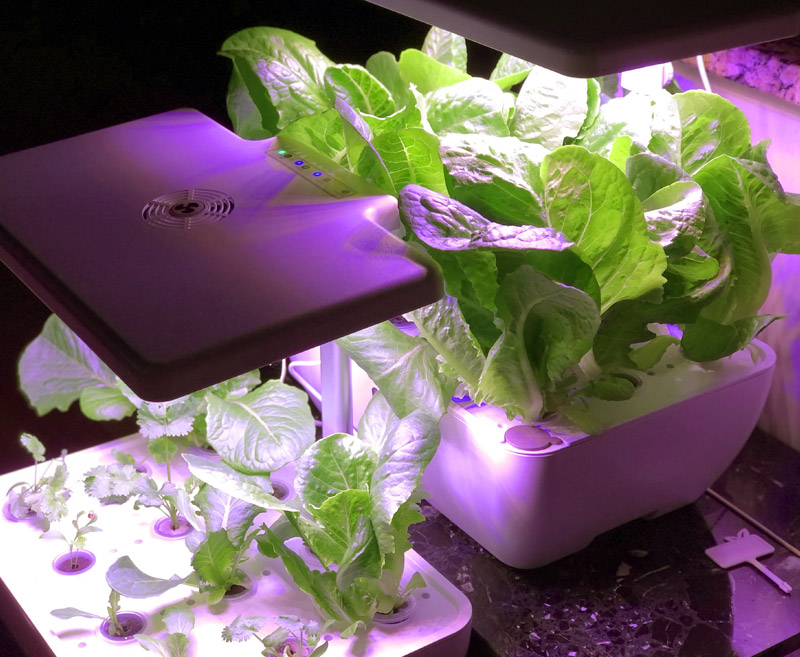
We picked up two small indoor hydroponic garden systems and set them up with lettuce and a mix of herbs. Hydroponics itself is not new to us. We ran a large aquaponics system back in Florida and learned a lot from it. This setup is much smaller and simpler, but the goal is similar. Keep fresh food growing year round in whatever way makes sense for the season.

The systems are already doing well. The lettuce is taking off and the herbs are settling in. It is been nice to watch steady growth again after the outdoor beds started to slow. Even small harvests feel meaningful when they are fresh and close at hand.

While these will never replace the garden or orchard, they fill an important gap. They give us fresh greens through the colder months and keep us connected to growing food even when the land outside is resting.